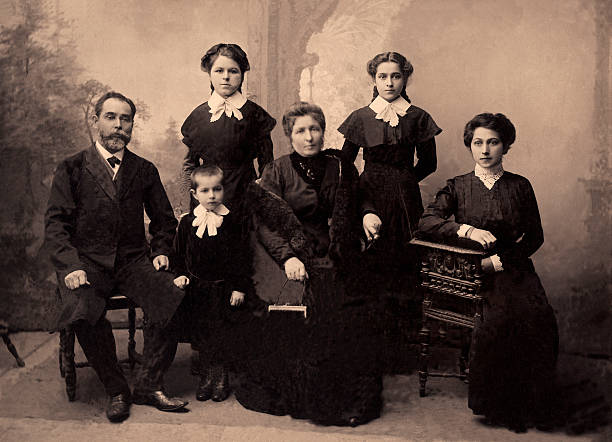
The past rarely ends with the people who lived it. Decisions, migrations and losses often echo quietly through the generations that follow.
Many of my stories explore how lives unfold across time, shaped by histories that are sometimes only partially understood.
Lives rarely exist in isolation. Each generation inherits the consequences of the one before it.
Inheritance is often understood in material terms — land, property or wealth passed from parent to child. Yet there are other forms of inheritance that shape lives just as strongly. Decisions made decades earlier can alter the direction of families and communities long after the original moment has passed.
Migration, loss, opportunity and conflict all leave traces that move forward through time. A journey taken by one generation may determine where the next is born. A single decision can echo quietly through lives that follow.
This idea of generational inheritance lies at the centre of much of my writing. Rather than focusing on a single moment in history, I am interested in how stories unfold across time. Characters may not fully understand the past that shaped them, but they still live within its consequences.
Historical fiction provides a natural space for exploring these connections. It allows movement between different periods and perspectives, revealing how one life influences another. Seen this way, history becomes less a sequence of isolated events and more a continuing conversation between generations.
The past does not disappear. It travels with us in the form of memory, landscape and the decisions that shape the lives we inherit.
These themes also inform my current historical novel William, which explores the lives of ordinary people during the upheavals of the eighteenth century.