
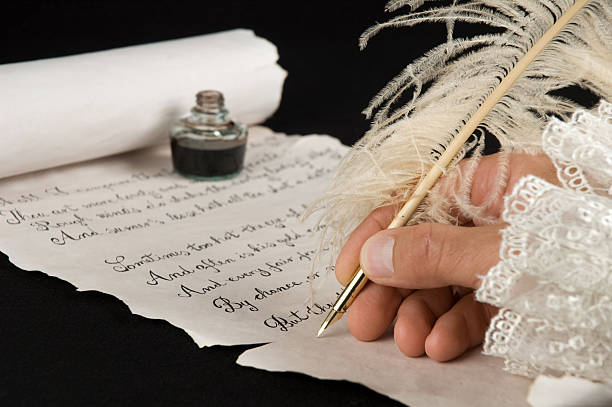
History records events, but memory reveals how those events were lived.
Much of my writing explores the space between official historical accounts and the personal experiences that rarely appear in the historical record.
History and memory are not the same thing. History attempts to record events, while memory reflects how those events are experienced and remembered by individuals.
Official histories often focus on what can be documented: battles fought, laws passed, governments formed and dissolved. These accounts are important, but they do not always capture how events were felt by the people who lived through them.
Memory is more personal and often less certain. It carries emotion, interpretation and sometimes silence. Families remember stories in fragments: a migration, a loss, a journey that changed everything but was never fully explained. These memories can shape identity long after the original events have passed.
As a writer, I am interested in the space between recorded history and lived memory. Fiction allows exploration of that gap. It can imagine the inner lives that historical documents rarely reveal.
Many historical records tell us what happened but not how it felt. They rarely describe the uncertainty of living through events whose outcome was unknown. Fiction can restore some of that immediacy by placing the reader inside the moment rather than observing it from a distance.
This approach does not replace historical fact but works alongside it. Research provides the structure and context, while narrative explores the emotional and human dimensions that formal history often leaves untouched.
In this way storytelling becomes another way of understanding the past.
These themes also inform my current historical novel William, which explores the lives of ordinary people during the upheavals of the eighteenth century.