Places carry memory. Long after the people who once lived there have gone, the land still holds traces of their presence.
Landscape in my work is not simply a backdrop but part of the story itself, shaping how people live, travel and remember.
Place is more than a setting in my work. It acts as a form of memory.
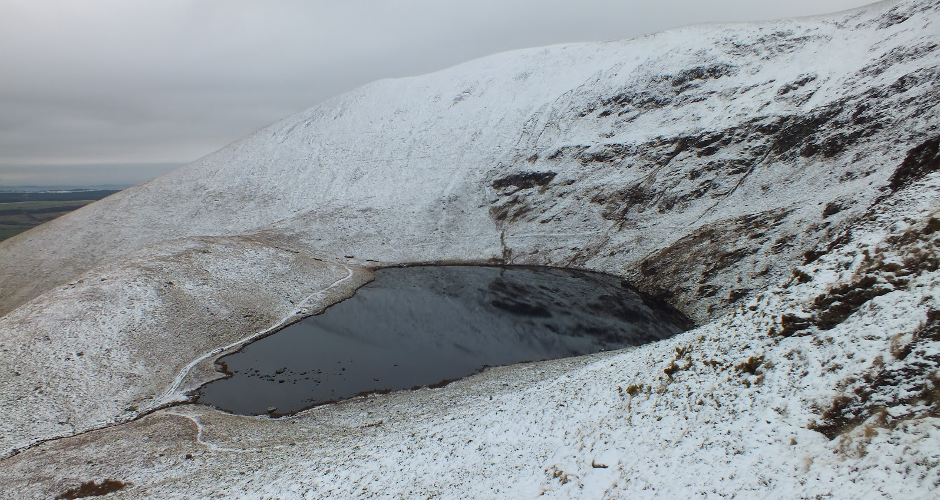
Landscape holds traces of the past in ways that are often subtle. Old paths, ruined walls, field patterns or place names can carry stories that stretch back centuries. Walking through a landscape can sometimes feel like moving through layers of time, where earlier lives are only partially hidden beneath the present.
Cumbria, where I live, is one such landscape. The fells, valleys and villages of the region are shaped by centuries of farming, conflict and settlement. The land still carries evidence of those histories. For a writer, this creates a sense that stories are not invented from nothing but discovered through attention to place.
Landscape also shapes how people live. Geography influences travel, trade, work and community. A remote valley will produce a different way of life from a busy port. The environment affects how people move through the world and the choices available to them.
This relationship between people and place becomes particularly important in historical fiction. Before the speed of modern transport and communication, geography imposed real limits. Journeys that seem short today could once take days or weeks. Communities were often shaped by the boundaries of the landscape around them.
When writing about the past, understanding the physical world in which people lived is essential. Landscape provides the conditions in which lives unfold. It also offers continuity. Long after individual lives have disappeared, the land remains, quietly holding their traces.
These themes also inform my current historical novel William, which explores the lives of ordinary people during the upheavals of the eighteenth century.